
Looking for easy crafts for toddlers that keep your little one entertained without the stress? You are in the right place. Toddlers love exploring, creating, and making a mess. That is exactly what makes crafts so magical for them.
Craft time builds motor skills, sparks creativity, and creates lasting memories. The best part? You do not need expensive supplies or perfect Pinterest results. Simple materials from your home work wonderfully.
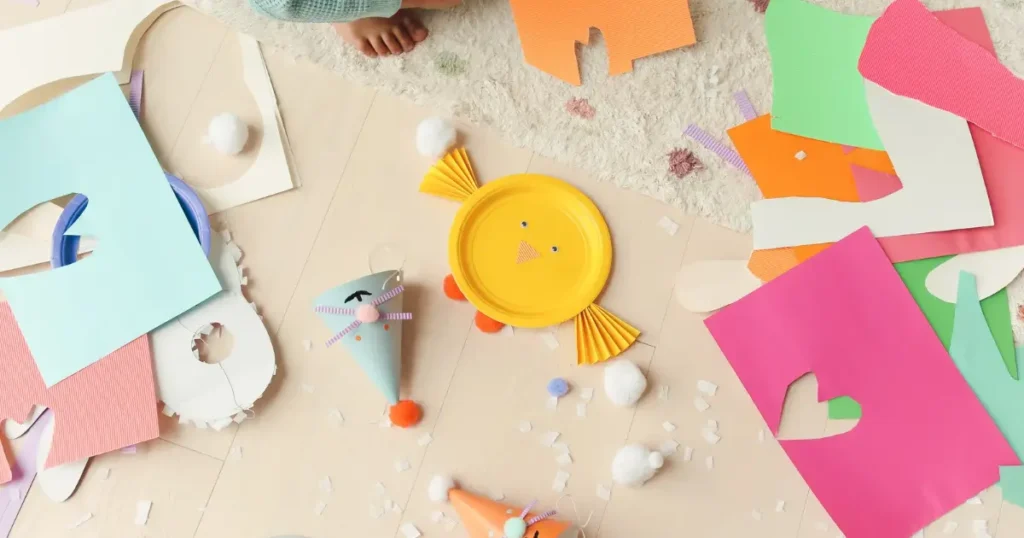
In this article, you will discover simple, safe, and fun crafts perfect for toddlers aged 2 and 3. Each idea comes with easy instructions, so you can start crafting today.
Key points
- Craft time supports real development — it builds fine and gross motor skills, sparks creativity, improves focus, and reinforces early learning concepts like colors, shapes, and counting, all while creating bonding time with parents.
- Safety comes first — always use non-toxic, child-safe supplies, supervise closely, avoid small choking-hazard items (beads, buttons, sequins), and keep sessions short (10–15 minutes) to match a toddler’s attention span.
- Age-appropriate activities matter—2-year-olds do best with simple, sensory, process-focused crafts (finger painting, playdough, tissue paper collage). At the same time, 3-year-olds can handle slightly more structured projects (paper plate animals, collages, paper bag puppets).
- You don’t need fancy supplies — a small stash of basics (construction paper, washable paint, non-toxic glue, child-safe scissors, and embellishments like pom-poms or stickers) is enough to be ready for craft time anytime.
- Process over perfection — the goal isn’t a flawless finished product; it’s the sensory experience, the fun, and the confidence a toddler gains from creating something themselves, however messy or imperfect it looks.
Why Crafts for Toddlers Are Important
Craft time isn’t just a way to fill an afternoon — it plays a real role in your toddler’s development.
Here’s why it’s worth the (sometimes glittery) mess:
- Motor skills development — Squeezing glue, tearing paper, and gripping a crayon build both fine motor coordination and gross motor strength.
- Boosts creativity and imagination — There are no “wrong” answers in toddler art, which gives kids room to experiment and express themselves freely.
- Improves focus and concentration — Even five uninterrupted minutes of sticking pom-poms to paper helps toddlers practice sustained attention.
- Teaches colors, shapes, and sizes — Crafts are a natural, hands-on way to reinforce early learning concepts.
- Creates quality bonding time with parents — Sitting down together, even briefly, strengthens connection and communication.
- Builds confidence and self-expression — Finishing a craft (however messy) gives toddlers a genuine sense of pride and accomplishment.
Essential Safety Tips Before Starting Toddler Crafts
Before you lay out the supplies, keep these safety basics in mind. Toddlers explore with their hands and mouths, so a little preparation goes a long way.
- Always use non-toxic, child-safe supplies—Check labels on paints, glues, and markers.
- Never leave toddlers unsupervised during crafts—even “safe” materials need an adult’s eyes nearby.
- Avoid small items that pose choking hazards — Skip beads, buttons, and sequins for children who still mouth objects.
- Choose age-appropriate materials — What works for a preschooler may not be safe for a two-year-old.
- Keep craft time short — Ten to fifteen minutes is plenty for most toddlers; don’t force it past their attention span.
- Have cleanup supplies ready beforehand — Wipes, a smock, and a washable mat will save you a headache later.
Simple Crafts for 2-Year-Olds: Getting Started with Creativity
Two-year-olds are curious, sensory-driven, and still developing hand control, so the best crafts at this age are simple, forgiving, and process-focused rather than outcome-focused.
Finger Painting Basics
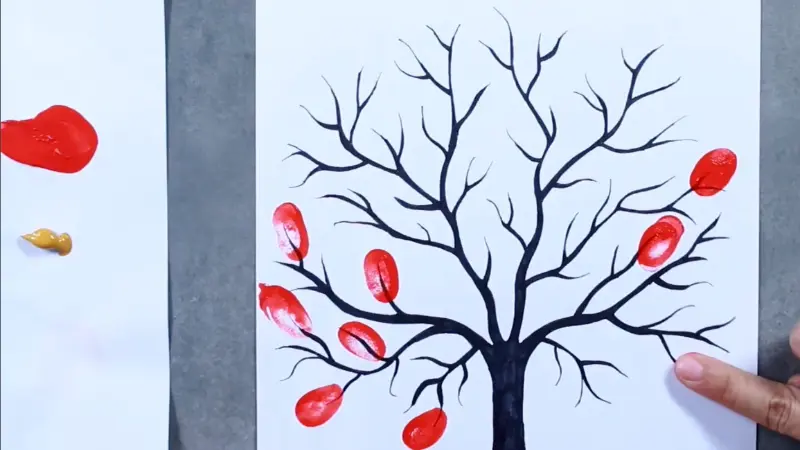
Materials: Washable finger paint, thick paper or cardstock, a smock.
Steps:
- Tape paper to a table to keep it from sliding.
- Squeeze a small dollop of paint onto the paper.
- Let your toddler use fingers and palms to spread and mix colors.
- Set aside to dry flat.
Difficulty: Very Easy
Parent Tip: Keep a damp cloth within arm’s reach—toddlers love to “help” clean up mid-craft.
Tissue Paper Collage
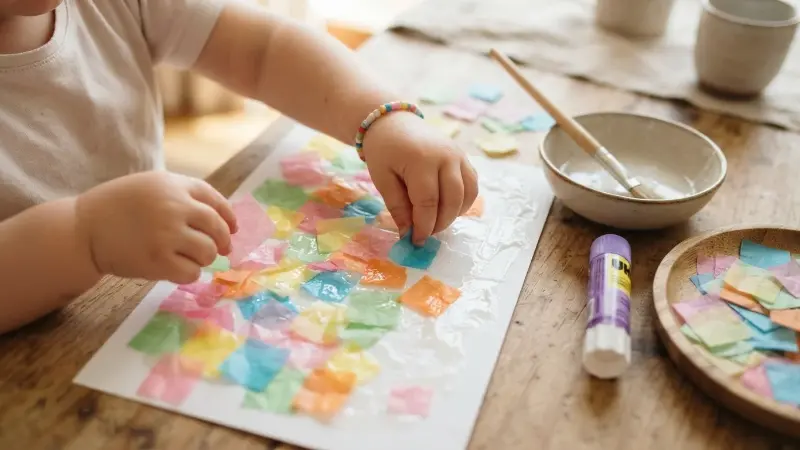
Materials: Tissue paper squares, glue stick or diluted glue, cardstock.
Steps:
- Tear or pre-cut tissue paper into small squares.
- Let your child dab glue onto the paper.
- Have them press tissue squares onto the glued areas.
- Allow to dry completely.
Difficulty: Easy.
Parent Tip: Pre-tear the tissue paper yourself to save time and avoid frustration.
Playdough Activities
Materials: Store-bought or homemade playdough, plastic cookie cutters, a rolling pin (optional). Steps:
- Give your toddler a ball of playdough.
- Show them how to squish, roll, and flatten it.
- Introduce cutters for simple shape-making.
Difficulty: Very Easy.
Parent Tip: Homemade playdough is cheaper and lets you control the ingredients if your toddler still mouths things.
Bubble Wrap Printing
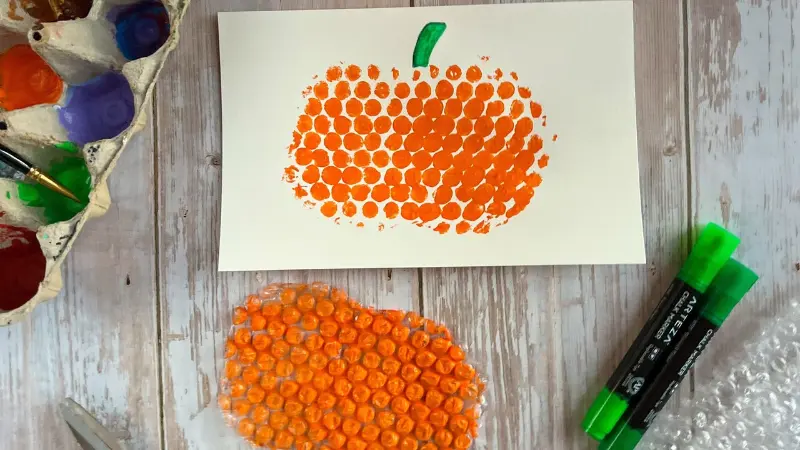
Materials: Bubble wrap, washable paint, and paper.
Steps:
- Lay bubble wrap bubble-side up.
- Let your toddler dab or roll paint over it.
- Press the paper on top, then peel it back to reveal the print.
Difficulty: Easy
Parent Tip: Tape the bubble wrap down so it doesn’t shift while your toddler presses.
Crayon Rubbings
Materials: Crayons (paper removed), textured objects (leaves, coins, mesh), thin paper.
Steps:
- Place a textured object under the paper.
- Show your child how to rub the crayon flat over the surface.
- Watch the pattern appear.
Difficulty: Easy.
Parent Tip: Use thin paper—printer paper works better than cardstock for this one.
Simple Sticker Art
Materials: Large, easy-peel stickers, paper.
Steps:
- Peel a few stickers to get your toddler started.
- Let them stick them anywhere on the paper.
- Talk about the colors and shapes as they go.
Difficulty: Very Easy.
Parent Tip: Large stickers are much easier for small fingers to peel and place than tiny ones.
Creative Crafts for 3-Year-Olds: Level Up the Fun
By age three, toddlers have greater hand control, longer attention spans, and a growing interest in following simple steps. This is a great age to introduce slightly more structured arts-and-crafts ideas while still keeping things playful and pressure-free.
Paper Plate Animals
Materials: Paper plates, construction paper, glue, markers, and googly eyes.
Steps:
- Choose an animal (lion, owl, or fish works well).
- Cut simple shapes for ears, wings, or fins ahead of time.
- Let your child glue the pieces onto the plate.
- Add googly eyes and details with markers.
Difficulty: Moderate.
Parent Tip: Pre-cut the fiddly pieces so your child can focus on the fun part—assembling.
Pom-Pom Art and Sorting
Materials: Pom-poms in various colors and sizes, glue, paper, and an empty egg carton (for sorting). Steps:
- Let your child sort pom-poms by color into an egg carton.
- Then have them glue a design or pattern onto paper.
Difficulty: Easy.
Parent Tip: This doubles as a color-recognition activity—narrate the colors as they sort.
Cotton Ball Painting
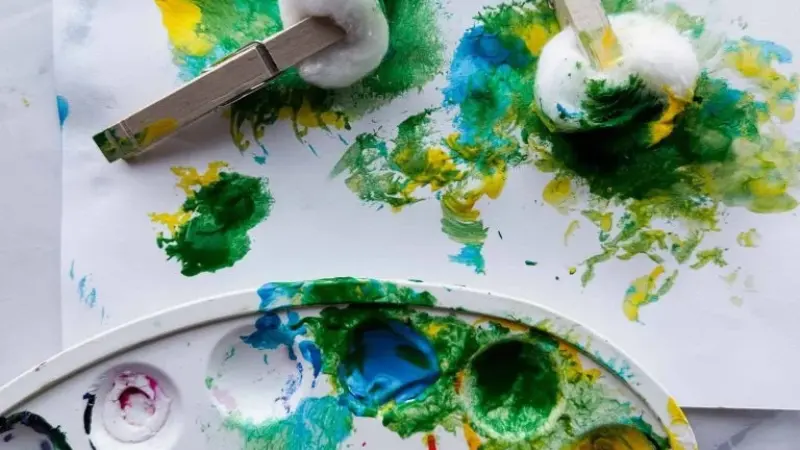
Materials: Cotton balls, clothespins, washable paint, and paper.
Steps:
- Clip a cotton ball into a clothespin for easier gripping.
- Dip it in paint.
- Dab it onto paper to create soft, textured designs.
Difficulty: Easy
Parent Tip: The clothespin grip is great for building the pincer skills needed for writing later on.
Simple Collage Making
Materials: Magazine cutouts, fabric scraps, paper, and glue.
Steps:
- Provide a variety of textures and images.
- Let your child choose and arrange pieces.
- Glue everything down onto a base sheet.
Difficulty: Moderate.
Parent Tip: Ask your child to describe their collage—it builds vocabulary and storytelling skills.
Leaf Rubbings and Prints
Materials: Fresh leaves, crayons, paper, or paint and paper for printing.
Steps:
- Collect a few leaves on a walk together.
- Place a leaf under paper and rub with a crayon, or paint the leaf and press it onto paper.
- Talk about the different leaf shapes and veins.
Difficulty: Easy.
Parent Tip: Turn this into a nature walk first—the collecting is half the fun.
Paper Bag Puppets
Materials: Small paper bags, markers, construction paper, and glue.
Steps:
- Let your child decorate the folded bottom flap as a face.
- Add ears, hair, or a hat with construction paper.
- Once dry, put on a mini puppet show together.
Difficulty: Moderate.
Parent Tip: This craft naturally extends into imaginative play, so don’t rush the puppet show afterward.
Easy Preschool Crafts for Home and Classroom
For preschoolers, crafts can start to double as learning tools. These simple preschool crafts work equally well at home or in a classroom setting, gently introducing early academic concepts through hands-on play.
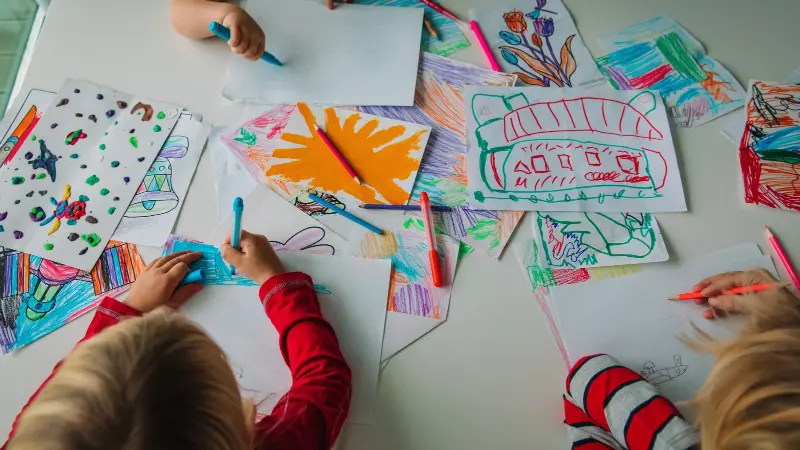
- Letter Collage — Trace a large letter, then have kids glue small objects (buttons, torn paper, cotton balls) inside the outline.
- Shape Sorting Mobile — Cut out basic shapes, let kids decorate them, then hang them from a hanger to reinforce shape recognition.
- Counting Caterpillar — Glue a row of colored circles in sequence, counting aloud as each one is added.
- Handprint Trees — Paint a handprint as the “branches” of a tree, then add fingerprint leaves in different colors.
- Name Puzzle — Write a child’s name in large letters, cut it into pieces, and have them reassemble it like a puzzle.
- Weather Wheel — Create a simple spinning wheel showing sun, rain, and clouds to discuss the day’s weather.
These activities work for a single child at home or a full classroom of little ones working together.
Must-Have Craft Supplies for Toddlers: Your Ultimate Shopping List
Building a small craft stash means you’re always ready for a rainy afternoon. Here’s what to keep on hand:
| Category | Essential Items | Optional Items |
| Paper | Construction paper, cardstock, tissue paper, paper plates | Origami paper, scrapbook paper |
| Adhesives | Non-toxic glue, glue sticks, tape, stickers | Glue dots, double-sided tape |
| Paints | Washable finger paint, watercolors, tempera paint | Acrylic paints (supervised only) |
| Tools | Child-safe scissors, large brushes, sponges, cotton swabs | Dot markers, stamp pads |
| Embellishments | Pom-poms, buttons, feathers, sequins, beads | Googly eyes, yarn, ribbon |
A small bin or drawer dedicated to these basics means craft time can happen spontaneously, without a last-minute store run.
Bonus: Seasonal and Themed Crafts for Kids Throughout the Year
Once you’ve got the basics down, seasonal themes are a great way to keep things fresh:
- Holiday crafts — Handprint Christmas trees, paper plate Easter bunnies, or spooky (but not scary) Halloween ghosts made from tissue paper.
- Nature crafts — Leaf collages, pinecone painting, or flower pressing during a walk outside.
- Weather-themed activities — Cotton ball clouds, paper plate suns, or a simple rainbow collage.
- Rainy day crafts — Indoor sensory bins, playdough mats, or window clings made from puffy paint.
- Summer and winter specials — Sun catchers for summer, or salt-dough snowflakes for winter.
Rotating themes with the seasons keeps craft time exciting without needing an entirely new supply list each time.
Common Craft Problems & Solutions for Toddlers
“My toddler eats the supplies.” Stick to edible-safe options like yogurt paint or large pasta pieces until your child outgrows the mouthing phase. Avoid small beads or sequins altogether.
“The craft only lasts 2 minutes.” That’s completely normal at this age. Keep sessions short and don’t worry about “finishing”—the sensory experience itself is the win.
“It’s too messy!” Cover the table with a wipeable mat, dress your toddler in an old shirt or smock, and keep wet wipes within reach. Some mess is part of the process—lean into it where you can.
“My child loses interest quickly.” Offer choices (“Do you want the red paint or the blue paint?“) to boost engagement, and switch activities the moment interest fades rather than pushing through.
“Nothing stays together.” Glue sticks are gentler but less strong; for a sturdier hold, use thicker craft glue or a hot glue gun (adult use only) for trickier pieces.
Start Your Toddler’s Creative Journey Today
Toddler crafts don’t need to be complicated, expensive, or Pinterest-worthy to be valuable. From finger painting to paper plate animals, every activity on this list is designed to build skills, spark imagination, and create memories — all with minimal prep and mess you can actually manage.
Remember: the process matters far more than the final product. A lopsided paper plate lion glued together by a proud three-year-old is a success story, even if it doesn’t look picture-perfect.
So grab a few supplies from your shopping list, set aside fifteen minutes, and try one craft today. You might be surprised how much joy (and mess) a little creativity can bring to your day. Feel free to share your favorite craft in the comments, or explore more activity ideas below.
Frequently Asked Questions About Toddler Crafts
At what age can toddlers start doing crafts?
Most toddlers can begin simple sensory crafts, like finger painting or playdough, around 18 months to 2 years old, with close supervision.
What are the best crafts for 2-year-olds?
Finger painting, tissue paper collage, playdough play, and bubble wrap printing are all great choices because they’re simple, sensory, and forgiving of short attention spans.
What are safe crafts for 3-year-olds?
Paper plate animals, pom-pom sorting and art, and cotton ball painting are safe, engaging options that support fine motor development.
How do I make crafts safe for toddlers?
Use non-toxic supplies, avoid small choking-hazard items, supervise closely at all times, and choose age-appropriate materials.
What basic supplies do I need for toddler crafts?
A solid starter kit includes construction paper, washable paint, non-toxic glue, child-safe scissors, and simple embellishments like pom-poms or stickers.
How long should a craft activity last for toddlers?
Ten to fifteen minutes is typically ideal. Let your child’s interest guide the length—it’s fine to stop early.
How can I make crafts educational for my toddler?
Incorporate counting, color naming, shape recognition, or letter tracing into the activity, and narrate what you’re doing together as you go.