
Welcoming visitors to meet your newborn can feel overwhelming, especially when you’re navigating those precious first days of parenthood. New parents often struggle to balance their desire to show off their bundle of joy and their need for rest and bonding time.
Yes, you can have visitors with a newborn – but with thoughtful boundaries and timing. The key is to prioritize your family’s health, rest, and comfort while managing others’ excitement to meet the newest family member.

In this article, we’ll explore how to handle visitors during your baby’s first weeks. This includes setting healthy boundaries, creating a visiting schedule that works for your family, and ensuring everyone—mainly your newborn—stays healthy and happy.
Understanding Newborn Immunity
Understanding a newborn’s immune system is vital before considering visitors. Newborns receive antibodies from their mothers during the last trimester of pregnancy and through breastfeeding, providing them with a certain level of protection.
Nevertheless, their immune systems are still developing, so they are more susceptible to germs and illnesses.
Their limited exposure to the wide array of germs in the environment means that newborns lack the memory that older children and adults have in fighting off pathogens.
Consequently, exposure to germs can potentially lead to illnesses that are more severe in newborns than in older children. Therefore, visitors should be mindful of the vulnerability of a newborn’s immune system and take all necessary precautions to prevent transmitting infections.
Visitor Considerations And Best Practices
New parents often struggle with the idea of welcoming visitors after the arrival of their newborn. The timing of introductions is crucial, with many pediatricians suggesting a waiting period to ensure the baby’s immune system has sufficiently developed.
This period might range from a few weeks to several months, depending on various health factors and parental comfort levels.
Taking health precautions is of paramount importance. Guests should be in good health and up-to-date with vaccinations. Ideally, they should wash their hands before holding the newborn. It’s beneficial for them to avoid kisses and close contact, minimizing the transfer of germs.
Contemplating the length and frequency of visits is also essential. Visits should be brief, preferably not more than 30 minutes to an hour, to prevent overstimulation and ensure the newborn maintains their feeding and sleeping schedule.
Frequent visits may be overwhelming, so spacing them out is often advisable for the family’s well-being.
The Postpartum Healing Process
New parents often find themselves caught in a dilemma between welcoming visitors and focusing on the postpartum healing process. It’s vital to understand that the postpartum period is critical for both physical and emotional recovery.
Fresh parents need ample rest to recuperate from childbirth’s demands, making it essential to strike a balance between receiving help and ensuring adequate rest.
Inviting guests can provide much-needed support, such as helping with household chores or taking care of the newborn, thereby giving the mother time to relax. Accepting help should not compromise the recovery period.
New parents must feel empowered to set boundaries with visitors to prioritize their health and well-being.
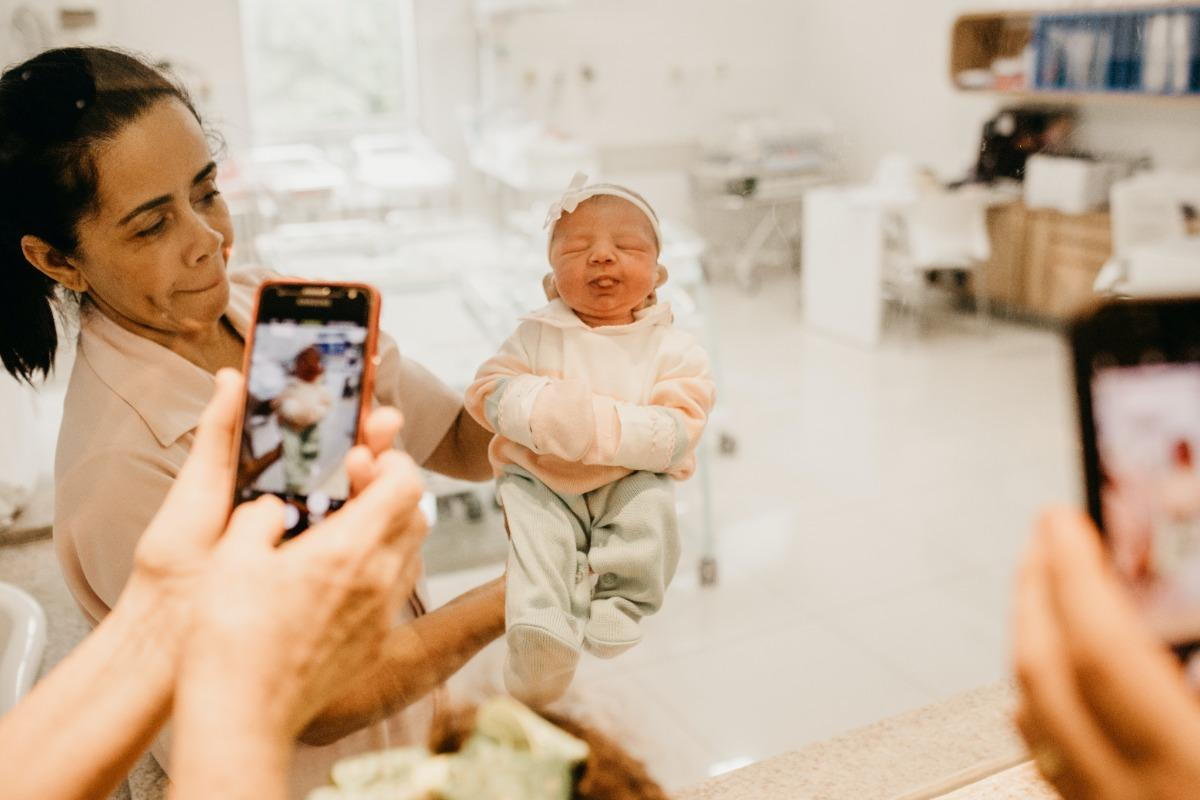
Credit: www.chapeds.com
Establishing Boundaries With Family And Friends
Communicating Visiting Preferences requires clear expectations and respect for the new parents’ comfort levels. It’s essential to discuss and convey guidelines prior to having guests around a newborn.
This might involve scheduling visits, setting time limits, and emphasizing the need for hygiene practices such as hand-washing.
Dealing with Overbearing Guests can be challenging, but it’s important to remain firm and polite in your approach.
Should a visitor be less receptive to the established boundaries, reiterating those boundaries gently but with assertiveness is key. It may help to have an ally, such as a partner or relative, to support these boundaries and mediate if necessary.
Cultural Perspectives On Newborn Visitation
Globally, cultural practices concerning newborn visitation vary significantly. Some communities prioritize a period of seclusion, where the mother and baby are not exposed to outsiders for a certain duration, often to support bonding and protect against illness.
Meanwhile, other cultures celebrate with a welcoming ritual, inviting friends and family to greet the newborn.
These traditional customs are adapted over time, keeping pace with modern healthcare recommendations that emphasize the importance of hygiene and the health of the baby and mother. This delicate balance respects cultural values while ensuring the well-being of the newborn through informed measures.
Embracing modern medical advice, many families now request that visitors wash their hands and ensure they’re healthy before holding the baby.
Some have adopted an open-door policy but with clear boundaries, like limiting the length of visits or the number of guests at a time.
This adaptation showcases a blend of honoring ancestral traditions while acknowledging the necessity of safeguarding the newborn’s developing immune system.
Frequently Asked Questions Of Is It Ok To Have Visitors With A Newborn?
When Can Newborns Have Visitors?
Newborns can have visitors after a few days or weeks, but it’s important to ensure that visitors are healthy and fully vaccinated to protect the baby’s delicate immune system.
What Precautions Should Visitors Take?
Visitors should wash their hands, avoid kissing the baby, and stay away if they’re sick or have been around someone who is. Masks may be advisable during cold and flu season.
Can Visitors Stress Newborns?
Loud noises and overstimulation can stress newborns. To avoid overwhelming the baby, it’s best to keep visits short, calm, and quiet.
Conclusion
Navigating visits after your baby’s arrival can be tricky, but it’s manageable. Prioritize your newborn’s health and your comfort when making decisions.
Remember, it’s perfectly acceptable to set boundaries for family and friends. Your little one’s early days are precious, and protecting their well-being comes first.