
Is Car Seat Safe For Newborn Spine? As a parent, this is one of the most essential concerns you’ll face regarding your baby’s safety. Proper car seat positioning can significantly protect your little one’s delicate spine during travel.
Yes, newborns are safe in car seats when used correctly. Ensure the car seat is rear-facing and fits your baby’s size. Correct installation and the right angle are crucial for maintaining spinal support.
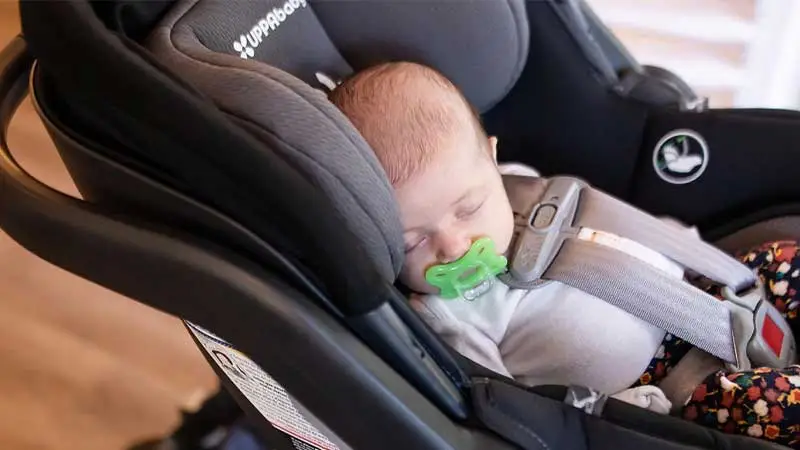
In this article, we’ll dive into the safest practices, common mistakes to avoid, and tips for ensuring your baby’s comfort and safety on every journey.
Is Car Seat Safe For Newborn Spine?
Car seats are designed to keep your baby safe during travel, but what about the long-term impact on their spine? Newborns have soft and flexible bones, which means their spines need special attention when seated in a car seat for extended periods.
Why Are Newborns More Vulnerable to Spine Injury?
Newborns’ spines are not fully developed. At birth, their spinal cord is made of cartilage, and their bones are softer than those of older children or adults. The spine is not straight but C-shaped, undergoing several changes as the child grows. Prolonged exposure to poor seating positions can potentially harm the baby’s spine.
Are Car Seats Designed to Protect a Baby’s Spine?
Yes, modern car seats are specifically designed with safety in mind. High-quality car seats provide head, neck, and spine support. They are equipped with adjustable harnesses and reclining positions that help distribute the baby’s weight evenly.
However, the type and duration of car seat usage can influence the safety of the newborn’s spine. This article will dive deeper into these aspects to give you the most comprehensive understanding of properly using a car seat to protect your baby’s delicate spine.
We will also look at recommendations from paediatricians, the latest research, and tips for maintaining proper posture and comfort for your newborn during car travel.
Is Car Seat Safe For Newborn Spine?
Safety is paramount when transporting newborns in cars. Car seats are designed to protect babies from injuries in an accident. Still, many parents wonder if prolonged car seat use could negatively affect their baby’s developing spine.
The good news is that car seats can be safe for your newborn’s spine if used correctly. However, there are essential things to consider to ensure your baby remains comfortable and supported during every journey.
The Anatomy of a Newborn’s Spine:
Before discussing car seat safety, it’s essential to understand the unique characteristics of a newborn’s spine. At birth, the spine is quite different from an adult’s. The spine of a newborn is:
- Flexible: It is primarily made of cartilage, which is softer than bone and more prone to deformities if not adequately supported.
- Curved: Newborns have a C-shaped spine, which starts straightening only after several months as they gain more head and neck control.
- Developing: The spine’s bones are still forming and can be easily injured if subjected to pressure or awkward positioning.
Because of these unique features, a newborn’s spine is highly vulnerable to injury, making it essential to provide the proper support and alignment when seated in a car seat.
How Do Car Seats Impact a Baby’s Spine?
When used correctly, car seats are designed to support and protect your newborn’s spine. However, improper use can have adverse effects. Here’s what you need to know:
Proper Positioning
The positioning of the baby in the car seat is crucial. A properly fitted car seat should keep the baby’s body reclined, which is recommended for newborns. This reclined position helps:
- Maintain neutral spine alignment: The baby’s spine should be supported to keep its back and neck in a natural position and avoid pressure that could harm it.
- Prevent slouching: Babies seated upright for extended periods may begin to slouch, putting pressure on their spine and causing discomfort or potential injury.
- Reduce the risk of head flop: A properly reclined seat helps prevent the baby’s head from flopping forward, which can obstruct the airway and strain the neck.
In this section, we will look at what position is best for your baby when using a car seat and how to adjust it for maximum comfort and safety.
Choosing the Right Car Seat
Selecting the right car seat is key to protecting your baby’s spine. Different car seats are available, each designed to meet specific safety and comfort standards. Here’s what to consider:
- Rear-Facing Car Seats: Newborns should always be placed in rear-facing car seats, which offer the best protection in a crash. The rear-facing position helps protect the spine by distributing the forces of an impact more evenly across the baby’s body.
- Infant Car Seats: These are specifically designed for newborns and provide better support for babies who cannot hold up their heads. These seats also often have a base that can be installed in the car, allowing for easier transitions between the car and home.
- Convertible Car Seats: Convertible seats can be used from newborn through toddler years, adjusting as your baby grows. If using a convertible car seat, ensure it is appropriately reclined to support the newborn’s spine.
Duration of Use
Although car seats are essential for keeping babies safe during car trips, holding a baby in a car seat for extended periods can be harmful. Prolonged sitting can lead to discomfort, affect circulation, and put undue pressure on the spine.
The American Academy of Pediatrics (AAP) recommends that babies not be in a car seat for more than 2 hours at a time.
How to Ensure Your Baby’s Spine Stays Safe in the Car?
1. Correct Installation of the Car Seat
A well-installed car seat is essential for your baby’s safety. Car seats should be installed tightly in the vehicle, with no more than 1 inch of movement from side to side or front to back.
Ensure that the harness is secure but not too tight. It should be snug enough that you cannot pinch any slack between the harness and your baby’s body.
2. Adjust the Recline Angle
As mentioned, newborns should be seated fully reclined to ensure their spine is supported correctly. The AAP recommends a 45-degree angle for infants in rear-facing seats. Many car seats have indicators that show the correct recline angle, but you can also use a rolled-up towel or a specially designed wedge to help adjust the angle.
3. Monitor Your Baby’s Posture
It’s essential to check on your baby periodically to ensure they are comfortable and properly positioned in the seat. A baby who shifts out of position may experience strain on their spine and neck. If you notice your baby’s head slumping forward or sideways, stop the car to adjust them.
4. Take Frequent Breaks During Long Trips
If you’re going on a long journey, plan to take breaks every 1-2 hours. This allows your baby to stretch out, lie flat (such as in a stroller or bassinet), and relieve any pressure on their spine.
When should you transition to a toddler car seat?
As your baby grows, its spine will become more developed and muscular. However, before transitioning to a forward-facing car seat, it is necessary to wait until the baby meets the recommended weight and height limits.
Generally, this occurs around 1-2 years old, depending on the baby’s size. For a safe transition, always follow the guidelines provided by the car seat manufacturer.
What Experts Say About Car Seats and Newborn Spines?
Pediatrician Advice
Leading paediatricians say car seats are safe for newborns when used correctly. The key is ensuring proper installation, choosing the right car seat, and following safety guidelines. Dr Emily Saunders, a paediatrician with over 15 years of experience, stresses, “The spine of a newborn is still forming, but a correctly installed rear-facing car seat provides the optimal support and protection for your baby during travel.”
Pediatric Chiropractor Perspective
Pediatric chiropractors, like Dr. Paul Adams, also recommend using car seats to avoid misalignments in the spine. “Many spinal issues later in life can be traced back to improper seating in the first year,” says Dr Adams. Ensuring your baby’s spine stays neutral and supported in the car seat is crucial for preventing long-term problems.
Conclusion: Is Car Seat Safe for Newborn Spine?
Yes, car seats are generally safe for your newborn’s spine if used correctly. The key is ensuring that the seat is installed correctly, the baby’s posture is correct, and the car seat is used for short periods with regular breaks. Following safety guidelines, parents can ensure their newborn’s spine remains protected during every ride.
In this article, we’ve explored various aspects of car seat safety, from proper positioning to expert recommendations, helping you make informed decisions regarding your baby’s spine health. Always prioritize safety and comfort, and enjoy your travels with peace of mind!
FAQs
Are car seats required for newborns?
Yes, in many countries, it is legally required that all infants and children be in a car seat while in a vehicle.
What is the safest car seat for a newborn?
A rear-facing car seat is considered the safest for newborns, providing better support for the head, neck, and spine.
Can being in a car seat cause spinal problems for my newborn?
A car seat could potentially cause issues if used incorrectly or for prolonged periods. However, with proper use, it is generally safe.
How long can a newborn be in a car seat?
The general recommendation is that a newborn shouldn’t be in a car seat for more than 2 hours at a time.
Can I use the car seat as a replacement for a crib?
No, a car seat should not be used as a replacement for a crib. It should only be used for travel purposes.
3 thoughts on “Is Car Seat Safe For Newborn Spine?”