
Watching your little one reach the 9-month milestone is exciting! At this age, your baby is ready to explore new flavors, textures, and eating skills that will set the foundation for healthy eating habits.
Your 9-month-old can now handle more than just simple purees. They’re developing pincer grasps, showing interest in self-feeding, and their digestive system can process various foods. This is the perfect time to introduce soft finger foods, more complex flavors, and nutrient-dense options.
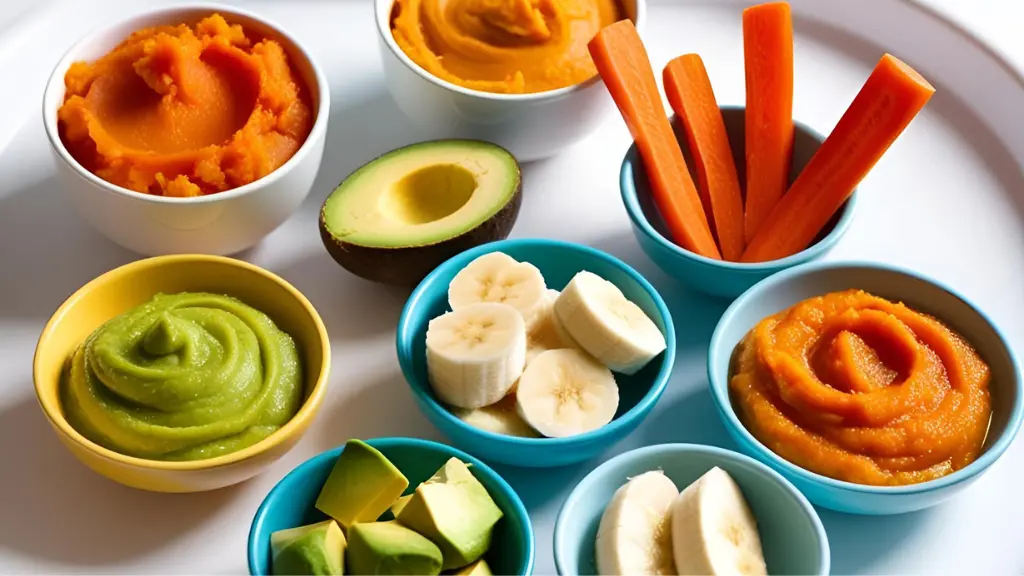
This article will explore delicious Baby Food Ideas For 9 Months designed explicitly for 9-month-olds, from protein-rich options to easy finger foods. You’ll discover nutritional guidelines, preparation tips, and creative ways to make mealtime fun and nourishing for your growing baby.
Foods to Introduce at 9 Months:
Your 9-month-old baby is becoming more adventurous with food, and it’s the perfect time to expand their menu. At this age, babies are typically ready to move beyond simple purees to more textured and soft finger foods.
What makes 9 months special? This age is exciting because your baby is developing the pincer grasp (using thumb and forefinger to pick up small objects), showing more interest in feeding themselves, and their digestive system matures enough to handle a greater variety of foods.
Here are some food categories to focus on:
Protein-Rich Foods
Protein helps build those growing muscles and supports overall development. Some great protein options include:
- Soft, shredded chicken or turkey – perfect for tiny fingers to grab
- Flaked fish (make sure it’s thoroughly checked for bones)
- Soft tofu cut into small cubes
- Well-cooked legumes like lentils or mashed beans
- Scrambled eggs (whole eggs are now recommended for babies)
Dairy Products
If your baby doesn’t have a milk allergy, you can introduce:
- Yogurt – plain whole milk yogurt is best (add fruit for natural sweetness)
- Cottage cheese – packed with protein and calcium
- Small amounts of cheese like mild cheddar or mozzarella cut into tiny cubes
Fruits and Vegetables
These provide essential vitamins, minerals, and fiber:
- Soft fruits like ripe bananas, avocados, peaches, and pears
- Steamed vegetables like carrots, sweet potatoes, and broccoli florets
Always remember to introduce foods one at a time (waiting 2-3 days between new foods) to watch for allergic reactions. And isn’t it amazing how something as simple as a piece of banana can bring such joy to their little faces?
Baby Food Ideas For 9 Months:
Ready for some specific meal ideas? Here are 10 baby-approved foods with more information on preparation and benefits:
1. Avocado Mash
- Preparation: Mash ripe avocado with a fork. No cooking is required!
- Benefits: It is rich in healthy fats for brain development, easy to digest, and has a smooth texture, perfect for beginners.
- Serving Tip: Add a squeeze of lemon juice to prevent browning if not eaten immediately.
2. Sweet Potato Stars
- Preparation: Bake sweet potatoes until soft, cool, peel, and cut into star shapes.
- Benefits: Packed with vitamin A for eye health, fiber for digestion, and naturally sweet taste babies love.
- Serving Tip: Sprinkle with a tiny pinch of cinnamon for an exciting flavor dimension.
3. Banana Oatmeal
- Preparation: Cook plain oatmeal with breast milk or formula and mix in mashed ripe banana.
- Benefits: Provides sustained energy, potassium, and a familiar sweet taste.
- Serving Tip: Make it thicker for babies who can handle more texture.
4. Soft Scrambled Eggs
- Preparation: Whisk eggs thoroughly and cook in a non-stick pan until just set but still soft.
- Benefits: Excellent protein source, contains choline for brain development.
- Serving Tip: Make sure there are no runny parts, but keep them moist and easy to gum.
5. Apple Sauce with Cinnamon
- Preparation: Peel, core, and chop apples. Simmer with a bit of water until soft, then mash or blend.
- Benefits: Provides vitamin C and fiber and introduces babies to a familiar fruit flavor.
- Serving Tip: Add a sprinkle of cinnamon to enhance flavor (no sugar needed!).
6. Lentil and Carrot Mash
- Preparation: Cook red lentils and carrots until soft, then mash together.
- Benefits: Plant-based protein, iron, and fiber in one colorful dish.
- Serving Tip: Add some olive oil for extra calories and fat-soluble vitamins.
7. Yogurt with Fruit Puree
- Preparation: Mix plain whole milk yogurt with a fruit puree of your choice.
- Benefits: Calcium for bone growth, probiotics for gut health, and protein.
- Serving Tip: Use a baby-safe spoon with a small lip to help them learn self-feeding.
8. Mini Meatballs
- Preparation: Mix ground chicken or turkey with grated apple, quinoa, and herbs. Form into tiny meatballs and bake until cooked through.
- Benefits: Iron-rich protein source with hidden vegetables and grains.
- Serving Tip: Make them small enough for the baby to handle and soft enough to gum.
9. Pea and Mint Puree
- Preparation: Steam fresh or frozen peas, then blend with a few mint leaves.
- Benefits: Many babies enjoy plant protein, fiber, and a bright flavor.
- Serving Tip: This can be served thicker for more advanced eaters.
10. Blueberry Quinoa Porridge
- Preparation: Cook quinoa until very soft, mix with mashed blueberries.
- Benefits: Antioxidants from berries, complete protein from quinoa.
- Serving Tip: Serve warm but not hot, with a slightly thicker consistency that sticks to the spoon.
Each food introduces your baby to different flavors, textures, and nutrients. Have you noticed how your baby reacts differently to certain foods? Some might become instant favorites, while others might need several tries before they’re accepted!
Easy Finger Foods for Self-Feeding:
Watching your baby learn to feed themselves is both heart-warming and messy! At 9 months, many babies are eager to practice their independence and fine motor skills by self-feeding. Here are some perfect finger food options:
Soft Fruits:
- Banana slices – nature’s perfect finger food
- Ripe pear cut into small pieces
- Soft melon cubes (watermelon, cantaloupe)
- Berries cut in half (blueberries, strawberries)
Cooked Vegetables:
- Steamed carrot sticks or rounds (cooked until very soft)
- Steamed broccoli florets (the perfect “tree” for little hands)
- Roasted sweet potato fingers
- Cooked green beans (soft enough to gum)
Protein Options:
- Small pieces of tofu
- Shredded chicken or turkey
- Tiny cubes of soft cheese
- Small pieces of scrambled egg
Grain-Based Foods:
- Toast fingers (whole grain, cut into strips)
- Puffed rice or cereal (ones that dissolve quickly)
- Pasta pieces like rotini or small shells (cooked well)
- Small fragments of quesadilla with mashed beans
Remember, the size of finger foods should be appropriate for your baby’s developmental stage. For most 9-month-olds, pieces about the size of your pinky fingertip are ideal – small enough to prevent choking but large enough for them to grasp.
Safety tip: Always supervise your baby during mealtimes, especially when eating finger foods. Sit with them, engage with them, and be their cheerleader as they develop this critical skill!
Isn’t it amazing how determined babies can be when they want to get that piece of food from their tray to their mouth? It’s like watching a tiny scientist simultaneously figure out a complex problem – adorable and impressive!
Fruits and Vegetables:

Fruits and vegetables are essential to your baby’s diet, providing vitamins, minerals, and fiber. Here’s a handy table to guide you:
| Fruit/Vegetable | Preparation Method | Key Nutrients | Serving Tips |
| Avocado | Mash or cut into small cubes | Healthy fats, potassium | No cooking is needed – scoop and serve! |
| Banana | Sliced or mashed | Potassium, vitamin B6 | Perfect on-the-go food, no prep needed |
| Apple | Steamed and pureed or baked until soft | Fiber, vitamin C | Sprinkle with cinnamon for added flavor |
| Pear | Ripe and soft, peeled and diced | Fiber, copper | Choose very ripe pears for the softest texture |
| Sweet Potato | Baked, steamed, or boiled until very soft | Vitamin A, potassium | It can be cut into fingers for self-feeding |
| Carrot | Steamed until very soft | Beta carotene, fiber | Cool completely before serving |
| Broccoli | Steamed florets (soft but not mushy) | Vitamin C, folate | The stems can be peeled and steamed for the baby, too |
| Spinach | Steamed and finely chopped or pureed | Iron, folate | Mix with other vegetables for better acceptance |
| Peas | Steamed and mashed or whole if baby can pick up | Protein, vitamin K | Sweet taste that many babies enjoy |
| Butternut Squash | Roasted, steamed, or boiled until soft | Vitamin A, potassium | The naturally sweet flavor that’s usually a hit |
When introducing fruits and vegetables, think about creating a rainbow on your baby’s plate. Different colored produce offers different nutrients, and exposing your baby to various colors, tastes, and textures now may help develop a more adventurous eater later!
Grains and Starches:

Grains and starches provide energy, some B vitamins, and fiber for your growing baby. Here’s a guide to introducing these crucial foods:
| Grain/Starch | Preparation Method | Key Nutrients | Serving Tips |
| Oatmeal | Cook with breast milk, formula, or water until very soft | Fiber, B vitamins | It can be mixed with fruit purees for flavor |
| Brown Rice | Cook until very soft; may puree for younger babies | Magnesium, selenium | Great base for mixing with vegetables |
| Quinoa | Rinse well, then cook until very soft | Protein, iron | It has a nutty flavor that pairs well with many foods |
| Pasta | Cook small shapes until very soft | Carbohydrates for energy | Try whole grain varieties for added nutrition |
| Bread | Lightly toasted and cut into strips | B vitamins, iron (if enriched) | Toast makes it easier for the baby to hold |
| Sweet Potato | Baked, steamed, or boiled until soft | Vitamin A, potassium | It can be mashed or cut into soft cubes |
| White Potato | Boiled until very soft | Vitamin C, potassium | Avoid adding salt or butter for babies |
| Millet | Cook with extra water until very soft | Magnesium, phosphorus | The mild flavor that blends well with other foods |
| Barley | Cook until very soft, and you may need to blend | Fiber, selenium | It has a chewy texture for more advanced eaters |
| Corn | Creamed corn or finely mashed kernels | Folate, thiamin | It pairs well with many other vegetables |
Remember that whole grains are generally more nutritious than refined grains, but they also contain more fiber, which can be filling. Balance is key – your baby still needs plenty of fruits, vegetables, and protein foods alongside grains.
Pro tip: Prepare grains in batches and freeze them in ice cube trays for quick meal additions throughout the week. When your baby is screaming with hunger, you’ll thank yourself for this time-saver!
Simple Purees and Mashed Foods

While your 9-month-old is probably ready for more texture, purees, and mashed foods still play an essential role in their diet. They’re beneficial for introducing stronger flavors or when your baby isn’t interested in finger foods.
Essential Technique for Purees:
- Steam or boil the food until it is very soft
- Cool slightly
- Blend or mash to desired consistency
- Add liquid (breast milk, formula, or water) if needed to achieve the right texture
Moving Beyond Basic Purees: At 9 months, you can gradually make purees thicker and leave some small, soft lumps for your baby to learn to manage. This helps develop their oral motor skills needed for eating table foods later.
Some Simple Puree Ideas:
- Carrot and ginger puree – a little ginger adds an interesting flavor dimension
- Pea and mint puree – the mint makes the peas taste even sweeter
- Sweet potato and apple puree – naturally sweet and packed with nutrients
- Chicken, carrot, and parsnip puree – for a complete meal in one dish
- Mango and banana mash – a tropical treat that’s naturally sweet
Mashed Foods (Less Smooth Than Purees):
- Mashed beans with a bit of olive oil and herbs
- Mashed hard-boiled egg yolk mixed with avocado
- Fork-mashed banana with a sprinkle of cinnamon
- Mashed potatoes (without added salt or butter)
- Mashed berries mixed into yogurt
Remember that every baby is different. Some 9-month-olds might be ready for chunkier textures, while others prefer smoother options. Follow your baby’s cues and gradually increase texture as they show readiness.
Isn’t it amazing to see their little faces when they try something with a new texture? Those surprised expressions are priceless memories to cherish!
Combining Flavors for New Tastes
Now comes the fun part – becoming a baby food chef! At 9 months, your baby is ready to explore more complex flavor combinations. This is not just about nutrition but about developing their palate and potentially reducing picky eating later.
Why Combine Flavors?
- Introduces your baby to the way real foods interact
- It makes meals more interesting
- It helps them develop sophisticated taste preferences
- Can make nutritious foods more appealing
Winning Flavor Combinations:
- Sweet and savory: Apple and chicken, sweet potato and lentils
- Mild and more vigorous tastes: Banana and peanut butter (if peanuts have been introduced safely), yogurt and mango
- Different textures: Smooth yogurt with soft fruit pieces, pureed sauce over soft pasta
- Complementary nutrients: Iron-rich foods with vitamin C foods to improve absorption (like beef and sweet potato)
Simple Combination Ideas:
- Green bean and pear puree – the sweetness of pear balances the green bean flavor
- Avocado and banana mash – creamy, nutritious, and mild
- Chicken, apple, and spinach – the apple sweetens the spinach, making it more appealing
- Sweet potato and kale – the sweetness helps introduce the stronger kale flavor
- Yogurt with pureed berries – introduces a slight tartness with a creamy texture
Tips for Successful Flavor Exploring:
- Start with familiar: Combine a food your baby already enjoys with something new
- Think about your family’s cuisine: Introduce mild versions of spices and herbs your family commonly uses
- Be patient: Some combinations might need to be offered 10+ times before acceptance
- Watch their cues: Your baby’s expressions will tell you a lot about their preferences
Have you noticed how your baby reacts to different flavor combinations? They might surprise you with what they enjoy! My friend’s baby couldn’t get enough pureed peas with a hint of mint – she would bounce excitedly when she saw it coming!
Nutritional Needs
Understanding your 9-month-old’s nutritional needs helps ensure they get everything required for healthy development. Breast milk or formula still provides many essential nutrients at this age, but solid foods are becoming increasingly important.
Key Nutrients for 9-Month-Olds:
- Iron: By 9 months, your baby’s iron stores from birth are depleting. Iron-rich foods include meat, fortified cereals, beans, and dark green vegetables.
- Protein: Needed for growth and development. Sources include meat, poultry, fish, eggs, tofu, beans, and dairy.
- Healthy Fats: Essential for brain development. It is found in avocados, oils, nut butter (if introduced), and full-fat dairy products.
- Calcium: Important for developing strong bones and teeth. Sources include yogurt, cheese, and calcium-set tofu.
- Zinc: Supports immune function and growth. It is found in meat, beans, and fortified cereals.
- Vitamin C: Aids iron absorption and supports immune health. Found in many fruits and vegetables like strawberries, citrus, bell peppers, and broccoli.
- Vitamin A: Important for vision, immune function, and cell growth. It is found in orange vegetables like sweet potatoes and carrots.
Balanced Diet Guidelines:
Your 9-month-old’s daily diet should generally include:
- 3-4 solid food feedings (increasing texture as tolerated)
- Continued breast milk or formula (16-24 oz daily)
- Variety of foods from all food groups
Important Reminders:
- No honey before age one due to the risk of infant botulism
- No cow’s milk as a drink (though yogurt and cheese are fine) until age one
- Low salt and no added sugar in baby foods
- Water can be offered in a cup with meals
Remember that your baby is still learning to eat and building up to a complete solid food diet. Some days, they may eat more than others, and that’s perfectly normal. Trust their appetite and watch for their hunger and fullness cues.
Isn’t it incredible to think your nutrition builds your baby’s body and brain? What an essential and unique task you’re undertaking!
Foods to Avoid at 9 Months
While your 9-month-old is ready for many new foods, some items should stay off the menu for safety and health reasons. Being aware of these helps you make confident feeding choices.
Foods to Avoid Due to Choking Risk:
- Rugged, raw vegetables like carrot sticks (unless cooked until very soft)
- Whole grapes (cut into quarters instead)
- Whole cherry tomatoes (cut into quarters)
- Whole nuts (smooth nut butter is fine if already introduced)
- Hard fruits like raw apple (grate or cook until soft)
- Popcorn (a significant choking hazard for babies and toddlers)
- Hard candies, cough drops (never appropriate for babies)
- Hot dogs/sausages (unless cut lengthwise into quarters and then into small pieces)
- Large chunks of meat or cheese
Foods to Avoid for Health Reasons:
- Honey (risk of infant botulism before 12 months)
- Cow’s milk as a drink (can be used in cooking; yogurt and cheese are fine)
- High-sodium foods like processed meats, canned soups, and snack foods
- Added sugars found in desserts, many cereals, and sweetened drinks
- Unpasteurized dairy products
- Fruit juices (even 100% juice provides unnecessary sugar without the benefits of whole fruit)
- Caffeinated drinks, including tea, coffee, and soda
Potential Allergens:
Common food allergens should be introduced carefully, one at a time, and in small amounts. These include:
- Eggs
- Peanuts and tree nuts (in appropriate forms like smooth butter)
- Soy
- Wheat
- Fish and shellfish
- Dairy
Current research suggests introducing these foods earlier (4-11 months) may help prevent food allergies. However, always discuss this with your pediatrician, especially if there’s a family history of allergies.
Remember: even safe foods should be prepared appropriately. Always modify the size and texture of foods to match your baby’s abilities, and never leave your baby alone while eating.
Isn’t it better to be safe than sorry for your precious little one? Taking these precautions now helps build lifelong healthy eating habits!
Tips for Introducing New Foods
Introducing new foods to your 9-month-old can be an adventure filled with messy high chairs, funny faces, and occasional food rejection. Here are some practical tips to make the process more successful and enjoyable:
Be Patient and Persistent:
- It can take 10-15 exposures to a new food before acceptance
- Don’t give up after the first few rejections
- Keep offering a variety of foods, even ones previously rejected
Make Mealtime Pleasant:
- Eat together when possible – babies learn by watching you
- Avoid pressure to eat certain foods or amounts
- Keep a relaxed atmosphere with positive reinforcement
- Never force feed – this can create negative associations with eating
Practical Strategies:
- Offer new foods when baby is hungry but not overly tired
- Start with small amounts – a teaspoon of new food is plenty for first exposure
- Mix new foods with familiar favorites to increase acceptance
- Vary preparation methods – a rejected steamed vegetable might be accepted as roasted
- Consider temperature – some babies prefer room temperature foods while others like warmer
Dealing with Rejection:
- Stay neutral when food is rejected (don’t show disappointment)
- Try again another day in a different form
- Model enjoying the food yourself
- Offer rejected foods alongside accepted ones
Fun Food Introduction Ideas:
- Food art – arrange food in simple, fun shapes
- Interactive eating – let them dip soft foods into purees
- Exploration plates – small amounts of several foods to touch and taste
- Colors and counting – talk about the colors and count pieces as they eat
Have you noticed how your baby might refuse food one day and then happily gobble it up the next? Babies’ tastes constantly evolve, and what works today might not work tomorrow. The key is to stay flexible and keep mealtime a positive experience.
Remember, your job is to provide nutritious food options – your baby’s job is to decide how much to eat. This division of responsibility helps build healthy eating habits from the start!
Conclusion: Building Healthy Eating Habits
Congratulations! You’ve made it through introducing solid foods to your 9-month-old. These early experiences with food are about so much more than just nutrition – they’re laying the foundation for your child’s relationship with food for years to come.