
Wondering when to start your baby on solids? You’re not alone! Figuring out the baby food timeline can feel like solving a puzzle, but don’t worry—we’ve got you covered.
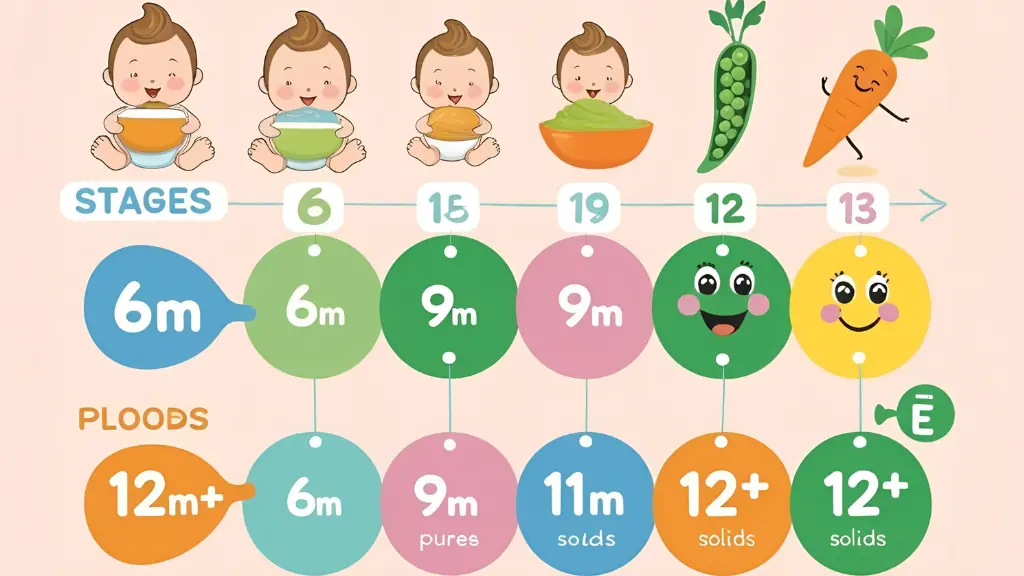
At 6 months, babies are usually ready for their first taste of solid foods, starting with purees. By 7-8 months, it’s time to expand their diet with mashed and finger foods. They start exploring more textures around 9-12 months and can even begin self-feeding.
In this article, we’ll walk you through each stage, from milk-only meals to family dinners, with tips to make the journey smooth and fun. Let’s get started!
Baby Food Timeline
| Age | What to Feed | Tips |
| 4-6 months | Breast milk or formula | Wait for signs of readiness before solids. |
| 6 months | Single-ingredient purees | Start small and watch for reactions. |
| 7-8 months | Mashed fruits, veggies, and proteins | Introduce thicker textures. |
| 9-10 months | Soft finger foods and chunkier textures | Encourage self-feeding. |
| 11-12 months | Chopped family foods and cow’s milk | Introduce common allergens safely. |
| 12+ months | Full table foods | Avoid choking hazards and limit sugar/salt. |
4 to 6 Months: Starting with Breast Milk or Formula
At this stage, your baby’s tiny tummy is all about breast milk or formula. These are the superheroes of nutrition, packed with everything your little one needs to grow strong and healthy.
Why wait for solids?
Your baby’s digestive system is still developing, and breast milk or formula provides the perfect balance of nutrients. Plus, their tongue reflex (that little push-out thing they do) isn’t ready for solids yet.
Signs your baby might be ready for solids:
- They can hold their head up steadily.
- They show interest in your food (hello, grabby hands!).
- They’ve doubled their birth weight.
But remember, every baby is different. If you’re unsure, chat with your pediatrician.
6 Months: First Solids
Here’s where the fun begins! Around 6 months, most babies are ready to dip their toes (or tongues) into the world of solid foods.
- Best first foods:
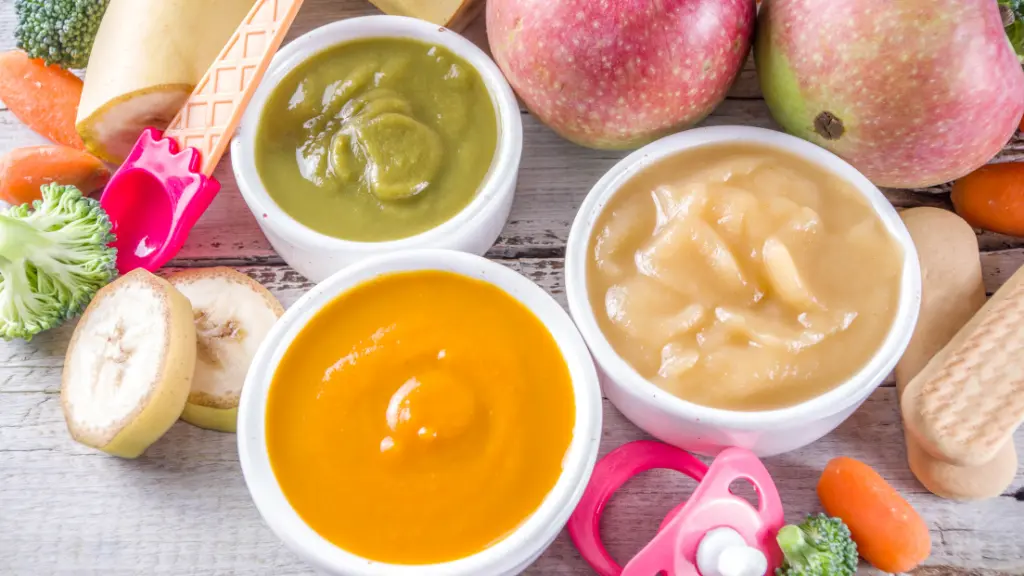
Start with simple, single-ingredient purees like:- Rice cereal mixed with breast milk or formula.
- Mashed bananas or avocados.
- Steamed and pureed sweet potatoes or carrots.
How to introduce solids:
- Offer a small spoonful once a day.
- Watch for reactions (allergies or tummy troubles).
- Keep it relaxed—this is about exploration, not filling their belly.
Pro tip: Don’t stress if your baby makes a funny face. It’s not always a “yuck” reaction—it’s just something new!
7 to 8 Months: Expanding the Diet
By now, your baby is getting the hang of eating. It’s time to mix things up and add more flavors and textures to their menu.
What to add:
- Fruits and veggies: Think apples, pears, peas, and squash.
- Proteins: Soft, pureed meats like chicken or turkey.
- Grains: Oatmeal, barley, or quinoa.
Introducing texture: Start moving from smooth purees to thicker, mashed foods. This helps your baby learn to chew (even if they don’t have teeth yet!).
Fun fact: Babies at this age love exploring with their hands. Let them squish, smear, and play with their food—it’s all part of the learning process!
9 to 10 Months: More Variety and Textures
Your little one is becoming a pro eater! Now’s the time to introduce more variety and let them practice their pincer grasp (that adorable thumb-and-finger move).
- What to try:
- Finger foods: Soft, bite-sized pieces of banana, steamed broccoli, or scrambled eggs.
- Combination foods: Mix flavors like spinach, sweet potato, chicken, and rice.
- New textures: Offer foods with a bit more chunkiness to encourage chewing.
Self-feeding: Let your baby take the lead! Offer a spoon and let them try feeding themselves (yes, it will get messy, but it’s worth it!).
11 to 12 Months: Self-Feeding and Family Foods
Your baby is almost a toddler—how did that happen so fast? At this stage, they’re ready to join the family at the table and try more of what you’re eating.
- What to offer:
- Chopped or minced family meals: Think pasta, soft veggies, or shredded chicken.
- Cow’s milk: If your pediatrician gives the green light, you can introduce whole milk.
- Common allergens: Now’s the time to introduce foods like eggs, peanuts, and fish (unless there’s a family history of allergies).
Encouraging independence: Let your baby practice using a spoon or fork. They might not be perfect, but they’ll love the sense of accomplishment!
12+ Months: Full Table Foods
Congratulations, you’ve made it to the toddler stage! Your little one is now ready to enjoy a wide variety of foods and can pretty much eat what the rest of the family eats (with a few exceptions).
- What to include:
- A mix of fruits, veggies, whole grains, proteins, and dairy.
- Healthy snacks like cheese cubes, whole-grain crackers, or yogurt.
- What to avoid:
- Choking hazards like whole nuts, popcorn, or hard candies.
- Too much sugar or salt.
Remember, toddlers can be picky eaters—it’s normal! Keep offering a variety of foods, and don’t stress if they refuse something one day and devour it the next.
Tips for a Smooth Baby Food Journey
Here are some handy tips to make feeding your baby a breeze:
- Go at your baby’s pace: Don’t rush them—they’ll let you know when they’re ready for the next step.
- Watch for allergies: Introduce new foods one at a time and wait a few days before adding another.
- Keep it fun: Use colorful plates, silly faces, and fun food shapes to make mealtime enjoyable.
- Stay patient: Messes are part of the process. Embrace the chaos!
Conclusion: Celebrating Milestones
Feeding your baby is more than just nutrition—it’s a journey filled with discovery, laughter, and, yes, a few messes along the way. Every baby is unique, so don’t compare your little one to others. Celebrate their milestones, whether it’s their first bite of avocado or their first attempt at using a spoon.
Remember, you’re doing a fantastic job. Before you know it, your baby will be a confident little eater, and you’ll look back on these moments with a smile. So grab that bib, arm yourself with a wipe, and enjoy the adventure!