
Hey there, super-parent! So, your little one is hitting the big 10-month mark, and you’re probably wondering, “What on earth should I feed this tiny human now?” Don’t worry—you’re not alone. At this stage, your baby is exploring the world one bite at a time, and it’s your job to make those bites count.
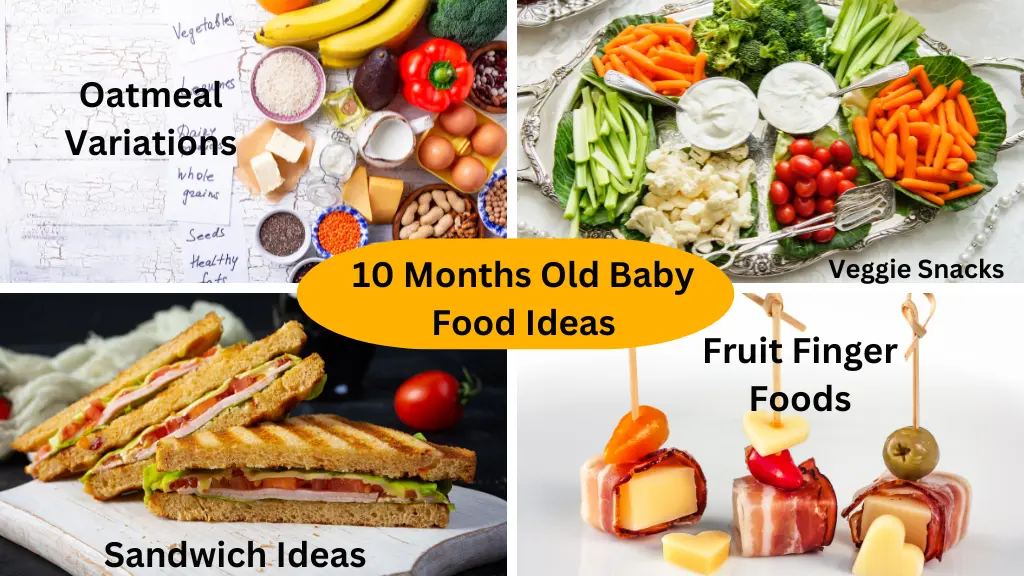
In this article, we’ll dive into 10 Months Old Baby Food Ideas that are nutritious, fun, and easy to prepare. We’ve got you covered from breakfast to dinner, snacks to hydration. Let’s make mealtime a joyful adventure for both you and your baby!
Breakfast Ideas for a 10-Month-Old
Mornings set the tone for your baby’s day, and a nutritious breakfast provides the energy they need for crawling, playing, and exploring. At 10 months, your baby can enjoy a wider variety of breakfast options that support their development.
Oatmeal Variations
Oatmeal makes a perfect breakfast base because it’s gentle on little tummies while providing sustained energy. Plus, you can customize it in countless ways!
Try these simple oatmeal ideas:
- Banana cinnamon oatmeal: Mash half a ripe banana into cooked oatmeal and sprinkle with a tiny dash of cinnamon
- Berry Oatmeal: Stir in some mashed strawberries or blueberries (cut small to prevent choking)
- Applesauce oatmeal: Mix in unsweetened applesauce for natural sweetness
Pro tip: Cook oatmeal with whole milk instead of water for added calories and nutrients that support your baby’s rapid brain development.
Egg-Based Breakfasts
Eggs provide high-quality protein and essential nutrients like choline for brain development.
- Mini egg pancakes: Whisk an egg with a spoonful of mashed banana and cook small dollar-sized pancakes
- Soft scrambled eggs: Cook eggs until just set but still moist, perfect for little ones learning to chew
- Egg and avocado mash: Combine soft scrambled eggs with ripe avocado for a nutrient-dense breakfast
Safety reminder: Always ensure eggs are fully cooked for babies to prevent foodborne illness.
Toast and Spreads
Toast cut into strips makes perfect finger food and various nutritious toppings add flavor and nutrients.
- Avocado toast fingers: Spread ripe avocado on whole grain toast and cut into strips
- Nut butter toast: Thinly spread sugar-free nut butter on toast strips (if allergies have been ruled out)
- Cream cheese and finely chopped fruit: A delicious combination of protein and natural sweetness
Healthy Snacks for Mid-Morning or Afternoon:
Snack time bridges the gap between meals and provides perfect opportunities to introduce new flavours and textures. Growing babies have tiny tummies but significant energy needs, so making nutritious snacks is essential!
Fruit-Based Snacks
Fruits offer natural sweetness along with vitamins and fibre.
- Banana spears: Cut a banana in half lengthwise, then cut each half lengthwise again for easy-to-grip spears
- Soft fruit chunks: Try ripe pear, peach, or melon cut into small, manageable pieces
- Homemade fruit leather: Puree fruits like apples and berries, spread thinly on a baking sheet, and bake at low temperature until dried but still pliable
Veggie Snacks
Vegetables introduce essential nutrients and help develop your baby’s palate for savoury flavours.

- Steamed carrot sticks: Cook until soft but not mushy for perfect gumming
- Cucumber spears: Cool and refreshing for teething babies (remove seeds and peel for younger babies)
- Sweet potato coins: Bake or steam sweet potato slices for a nutrient-rich finger food
Protein-Rich Snacks
Adding protein to snacks helps maintain steady energy levels.
- Cheese cubes: Offer small cubes of mild cheese like mozzarella or cheddar
- Greek yoghurt with fruit puree: Mix plain, whole-milk Greek yoghurt with a spoonful of fruit puree
- Hummus with soft pita strips: A gentle introduction to exciting flavours
Did you know? Babies’ taste preferences begin forming now, making it the perfect time to introduce a variety of flavours—even ones you might not expect them to like!
Lunch Ideas to Keep Your Baby Energized
Midday meals help power your baby through afternoon activities, and lunch is a great time to experiment with combination foods that introduce various flavours and textures together.
Sandwich Ideas
Soft sandwich variations make great lunch options that combine multiple food groups.
- Cream cheese and grated cucumber: Spread on soft bread and cut into small squares
- Mashed chickpea “salad”: Mix mashed chickpeas with a little plain yoghurt and finely chopped soft vegetables
- Tuna mash: Mix canned tuna (in water) with avocado for a brain-boosting combination
Veggie-Forward Lunches
Vegetables provide essential vitamins and minerals while helping develop a taste for nutrient-dense foods.

- Spinach and cheese quesadilla: Finely chop spinach and mix with melted cheese in a soft tortilla, cut into strips
- Soft-cooked vegetable medley: Offer a colourful mix of well-cooked carrots, peas, and corn
- Sweet potato cakes: Combine mashed sweet potato with a bit of whole wheat flour and pan-fry into small patties
Protein-Packed Options
Growing babies need protein for muscle development and overall growth.
- Mini meatballs: Make small, soft meatballs using ground turkey or chicken
- Lentil soup: Cook red lentils until very soft with mild spices for an iron-rich lunch
- Bean and cheese pasta: Mix well-cooked pasta with mashed beans and a sprinkle of cheese
| Lunch Component | Food Ideas | Key Nutrients |
| Protein | Soft chicken, beans, fish, tofu | Amino acids, iron, zinc |
| Carbohydrates | Pasta, rice, quinoa, bread | Energy, B vitamins |
| Vegetables | Steamed carrots, zucchini, peas | Vitamins, minerals, fibre |
| Healthy Fats | Avocado, olive oil, cheese | Brain development, fat-soluble vitamins |
Dinner Options for a Filling Meal
Dinner rounds out your baby’s nutritional needs for the day and can often be adapted from your family meal, making preparation more straightforward! At 10 months, your baby can increasingly join family mealtimes.
Family Meals Adapted for Baby
Please modify what you’re eating to make it baby-friendly.
- Deconstructed lasagna: Offer small pieces of well-cooked pasta, ground meat, and ricotta cheese separately
- Mild curry with rice: Serve plain yoghurt alongside mild curry vegetables and soft rice
- Slow cooker chicken: Shred tender slow-cooked chicken into small pieces with soft vegetables
Comforting Grain Bowls

Grain bowls provide balanced nutrition in an easy-to-eat format.
- Quinoa and vegetable bowl: Mix soft-cooked quinoa with finely chopped steamed vegetables
- Rice and lentil bowl: Combine well-cooked rice and lentils with a touch of mild spices
- Barley and beef bowl: Pair tender shredded beef with soft-cooked barley and carrots
Fish Dinner Ideas
Fish introduces essential omega-3 fatty acids that support brain development.
- Salmon cakes: Mix canned salmon with mashed potato and form into small patties
- White fish with vegetables: Poach mild white fish and serve with steamed veggies
- Fish and sweet potato mash: Combine flaked cooked fish with mashed sweet potato
Remember: While dinner feels important culturally, your baby doesn’t know the difference between “breakfast foods” and “dinner foods”—feel free to serve oatmeal or salmon for breakfast if that works for your family!
Finger Foods to Encourage Self-Feeding
Self-feeding builds independence and fine motor skills while making mealtime more engaging for your curious 10-month-old. This age is perfect for developing the pincer grasp (thumb and forefinger coordination).
Fruit Finger Foods
Fruits make perfect beginner finger foods due to their natural sweetness and soft texture.
- Ripe mango strips: Cut ripe mango into thin strips for easy gripping
- Quartered blueberries: Cut larger blueberries in half or quarters to prevent choking
- Kiwi slices: Peeled, ripe kiwi cut into small pieces provide vitamin C and a novel texture
Vegetable Finger Foods
Vegetables in finger-food form help develop healthy eating habits early.
- Steamed broccoli florets: The tree-like shape makes perfect handles for little hands
- Roasted bell pepper strips: Sweet and soft when roasted, with vibrant colours that attract interest
- Zucchini coins: Steamed until soft, these make easy-to-grasp rounds
Protein-Rich Finger Foods
Protein finger foods support muscle development and satiety.
- Tofu cubes: Extra-firm tofu cut into small cubes (plain or lightly seasoned)
- Shredded chicken: Moist, tender shreds of chicken for practice with different textures
- Black bean patties: Mashed black beans formed into small patties and lightly pan-fried
Why it matters: Research shows that babies who practice self-feeding may develop better appetite regulation and enjoy a wider variety of foods as they grow!
Foods to Avoid for a 10-Month-Old
Keeping your baby safe is always a top priority, which means being aware of foods that pose choking hazards or aren’t yet appropriate for their developing digestive system.
Choking Hazards to Avoid
These foods present serious risks for babies and should be modified or avoided.
- Rugged, raw vegetables: Like raw carrots or celery
- Whole grapes and cherry tomatoes: Always quarter these foods
- Nuts and seeds: Whole nuts are choking hazards (nut butters thinly spread are fine if allergies are not a concern)
- Popcorn and chips: These lightweight foods can easily be inhaled
Foods High in Salt and Sugar
A baby’s kidneys are still developing, and it can’t handle high sodium levels. Their taste buds also grow, making this a critical time to establish healthy preferences.
- Processed meats: Like bacon, ham, and luncheon meats
- Store-bought sauces and soups: Often contain high sodium
- Sugary foods: Including candy, cookies, and sweetened yoghurts
- Fruit juices: Even 100% juice provides concentrated sugar without fibre
Common Allergens to Introduce Carefully
While current recommendations suggest introducing allergens early, it’s best to do so carefully.
- Peanuts and tree nuts: Offer thin layers of nut butter, never whole nuts
- Eggs: Start with well-cooked yolk, then well-cooked whole egg
- Seafood: Begin with mild white fish before offering shellfish
- Dairy: Full-fat yoghurt and cheese are usually well-tolerated
Safety tip: Always introduce one new food at a time and wait 2-3 days before introducing another potential allergen to identify any reactions quickly.
Tips for Introducing New Foods
Building adventurous eaters happens one bite at a time! How you introduce foods matters almost as much as what foods you offer.
The Rule of 15-20
Research shows that babies may need multiple exposures before accepting a new food.
- Be persistent: Offer rejected foods again after a few days
- Stay positive: Avoid showing disappointment when foods are rejected
- Model enjoyment: Let your baby see you eating and enjoying the same foods
Creating a Positive Feeding Environment
The atmosphere during meals helps shape your baby’s relationship with food.
- Eat together: Family meals teach social aspects of eating
- Minimize distractions: Turn off screens and focus on the meal experience
- Follow baby’s lead: Respect hunger and fullness cues rather than pushing “just one more bite.”
Food Presentation Matters
Making food visually appealing can increase interest and willingness to try new items.
- Use colour: Offer naturally colourful foods on a neutral background
- Create shapes: Cut soft foods into simple shapes when possible
- Keep it separated: Many babies prefer foods that don’t touch at this age
Communication tip: Describe foods by their qualities rather than just “yummy” or “good for you”—talk about colours, textures, and even the sounds foods make!
Hydration and Drinks for Your Baby
Proper hydration supports every bodily function, from digestion to temperature regulation. At 10 months, your baby’s fluid needs and diet change.
Milk Recommendations
Milk remains an essential source of nutrition during the transition to solid foods.

- Breast milk: Still beneficial as feedings may naturally decrease with increased solid food intake
- Formula: Typically 24-32 ounces daily at this age, decreasing as solid food intake increases
- Cow’s milk: Not recommended until 12 months of age
Water Introduction
As solid food intake increases, small amounts of water become appropriate.
- When to offer: With meals in a small open cup or straw cup
- How much: About 4-8 ounces total per day, not counting milk
- Temperature: Room temperature water is usually best accepted
Beverages to Avoid
Some drinks are inappropriate for babies under 12 months.
- Fruit juice: Even 100% juice provides unnecessary sugar
- Plant-based “kinds of milk”: Most lack the nutrition of breast milk, formula, or whole dairy milk
- Sweetened beverages: Including flavoured milk, sports drinks, and sodas
Remember: Learning to drink from an open cup is an essential developmental skill—start with just a few drops of water in a small cup and assist your baby as they learn.
Meal Prepping for Baby Food Success
Preparing baby food doesn’t need to be complicated or time-consuming! With some basic meal prep strategies, you can provide nutritious options without daily cooking sessions.
Batch Cooking Basics
Making larger quantities less frequently saves time and energy.
- Cooking day: Designate a few hours once or twice a week for baby food preparation
- Use your freezer: Freeze individual portions in ice cube trays or small containers.
- Mix and match: Prepare essential components that can be combined differently.
Storage Guidelines
Proper storage ensures food safety and quality.
- Refrigeration: Most prepared baby foods last 2-3 days in the refrigerator
- Freezing: Properly stored frozen baby food remains suitable for 1-3 months
- Thawing: Always thaw frozen baby food in the fridge or using the defrost setting on a microwave
Quick Meal Combinations
Having ready-to-go components makes mealtime assembly fast and easy.
- Protein + grain + vegetable: Combine pre-cooked elements for balanced meals
- Frozen vegetable cubes + fresh ingredients: Mix thawed nutrient-rich vegetable purees with fresh foods
- Family meal adaptations: Set aside portions of family meals before adding salt or strong seasonings
| Food Type | Refrigerator Storage | Freezer Storage | Signs of Spoilage |
| Fruit/vegetable purees | 2-3 days | 1-3 months | Discoloration, off smell |
| Cooked meats/proteins | 1-2 days | 1-2 months | Slimy texture, off smell |
| Mixed dishes | 1-2 days | 1-2 months | Separation, off flavour or smell |
When to Seek Help with Feeding?
Most feeding challenges are typical developmental phases, but sometimes, additional support can be helpful. Knowing when to reach out ensures your baby continues thriving.
Signs of Possible Feeding Issues
Watch for patterns rather than one-off occurrences.
- Consistent food refusal: Refusing most foods across multiple meals and days
- Gagging or choking frequently: Beyond everyday learning to manage textures
- Difficulty with textures: Unable to progress to lumpier foods by 10 months
- Weight loss or poor growth: Not following their growth curve
Working with Healthcare Providers
Your baby’s doctor is an essential partner in feeding success.
- Regular check-ups: Discuss feeding at well-baby visits
- Growth monitoring: Ensures adequate nutrition
- Referrals when needed: To specialists like feeding therapists or allergists
Managing Common Challenges
Some feeding issues have straightforward solutions.
- Teething discomfort: Offer cold foods and extra patience
- Inconsistent appetite: Normal at this stage of development
- Development leaps: Interest in food may decrease during cognitive growth spurts
Important reminder: Trust your instincts! You know your baby best; if something feels wrong, it’s always appropriate to seek professional guidance.
Conclusion: Making Mealtime Fun and Nutritious
Feeding your 10-month-old is about more than just nutrition—laying the foundation for a lifetime of healthy eating habits. This exciting stage marks your baby’s transition from being fed to becoming an active participant in eating.
Think of mealtime as a sensory playground where your baby explores tastes, textures, colours, and smells. The squishing, smearing, and throwing food on the floor are all part of their learning process!
Each messy meal builds neural connections and develops fine motor skills that benefit your child beyond the high chair.